
When Students Should Start Preparing for National Robotics Competition
Are you dreaming of dominating Singapore's National Robotics Competition? Begin your prepare robotics well in advance to transform your child into a robotics champion—plan months ahead to master the competition rules, build a strong team, and perfect your bot's robot programming. Drawing from the proven coding classes at Meta Robotics designed for kids, this guide walks you through every essential step: from setting timelines and practicing rigorously to troubleshooting issues and maintaining composure under pressure. Additionally, it includes FAQs addressing the ideal starting ages and key benefits. Gear up thoroughly and aim for victory.
Key Takeaways:
- Start preparing 6-12 months before the National Robotics Competition to master competition rules, build robots, and practice extensively, giving students ample time for iterative design improvements.
- Enroll in coding classes early, ideally from age 8-10, to develop coding skills and coding abilities essential for robot control and robotics competition success.
- Form a team, create a practice timeline, and attend workshops to test robots, troubleshoot issues, and stay updated on robotics trends.
Understand the Rules and Regulations of the Competition
Hey, before you jump into building your robotic creations for the National Robotics Competition (NRC), make sure you fully grasp the competition rules and regulations set by the Chief Judge and Ministry of Education to avoid any disqualification risk.
Start by reading the official NRC guidelines for Pri-Sec Competitions. These cover everything from robot design limits to robot programming constraints using tools like LEGO EV3 or SPIKE Prime. Teams that skip this step often face issues like corrupted files during uploads or missing hardware that doesn't match specs.
Understanding regulations builds problem-solving skills and boosts team collaboration. For example, assign team roles early, such as one member for mechanical design and another for coding in Python or C++. This ties into STEM education by encouraging critical thinking and computational thinking from the outset.
Prepare for the competition field setup by studying diagrams in the guidelines. Practice sensor calibration and competition missions to ensure efficiency accuracy. Also, review presentation content rules to craft talks that judges wow with clear explanations of your iterative design process.
Research and Familiarize Yourself with the Competition Field
Getting comfy with the competition field is key in Singapore robotics events, so scout out setups like those at Science Centre Singapore and practice with robotics tools and advanced sensors. Start by reviewing official competition rules from events like RoboCup Singapore. This helps teams understand field dimensions and mission layouts early.
Download field maps and videos from past national robotics competition events hosted by the Ministry of Education. Practice physical practise on similar setups using LEGO EV3 or Spike Prime kits. Test sensor calibration for accuracy to avoid surprises during runs.
Integrate STEM concepts by studying robot design and mechanical design tailored to missions. Use robot programming in Python or C++ to simulate field navigation. Teams build problem-solving skills through iterative testing.
- Analyze past competition missions for common obstacles in robotics competitions.
- Calibrate sensors like color and ultrasonic for efficiency accuracy.
- Run mock competitions with teammates to refine strategies.
Study the Field Layout Thoroughly
Examine the competition field layout from official diagrams in robotics competitions. Note boundaries, scoring zones, and object placements for missions. This preparation boosts computational thinking and navigation planning.
Visit venues like Science Centre Singapore for real-world feel. Create a scaled model at school for virtual practise and hands-on trials. Teams discuss team roles while mapping routes.
Focus on strategy testing by timing runs on your replica field. Adjust for variables like lighting that affect sensors. This step sharpens critical thinking before the event.
Test Sensor Calibration for Accuracy
Sensor calibration ensures your robot detects elements precisely on the field. Use LEGO Spike or EV3 software to fine-tune gyroscopes and touch sensors. Regular checks prevent misalignment during practice tests.
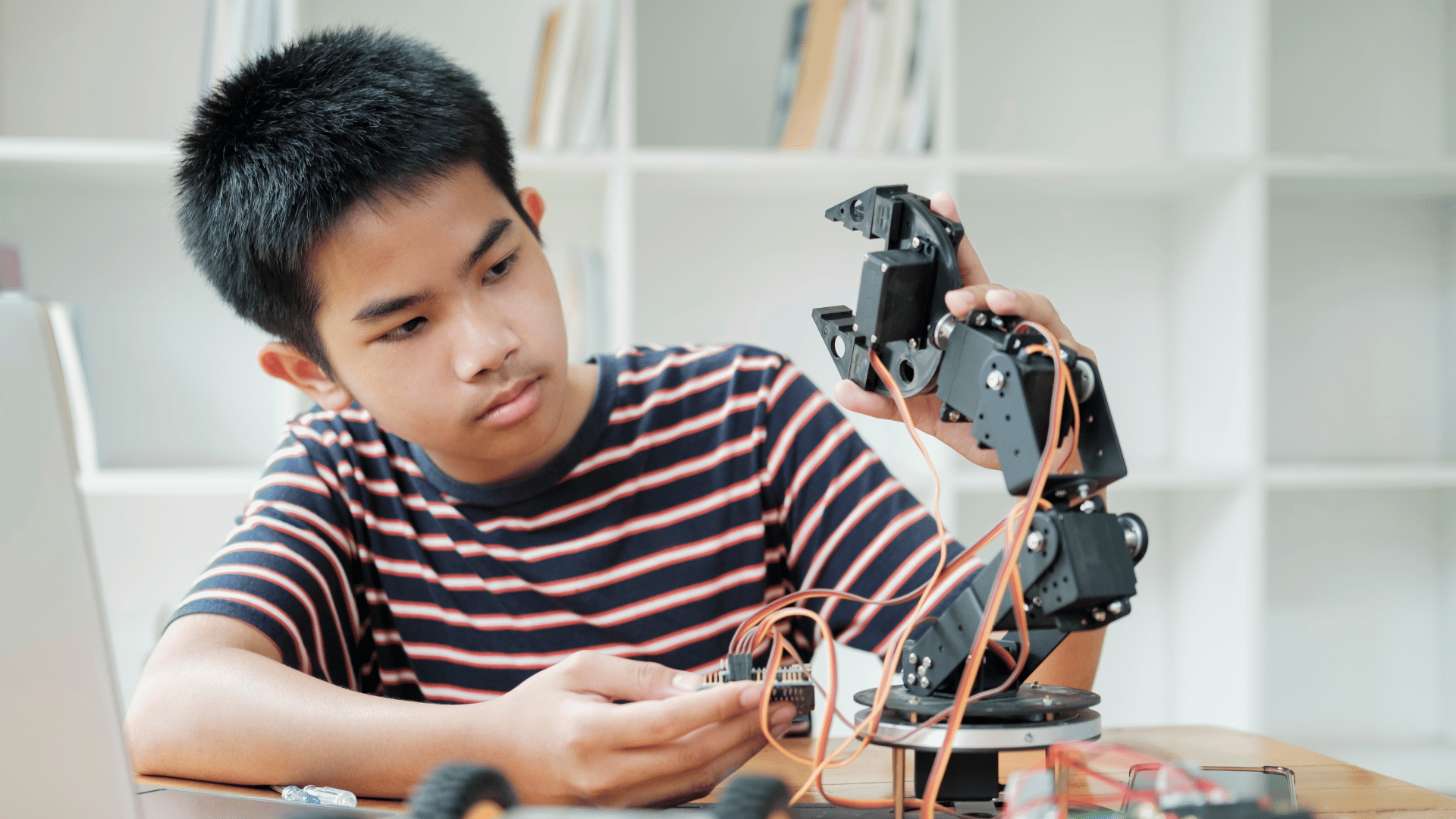
Test in varied conditions to mimic competition lighting. Record data from multiple runs to spot patterns. This builds coding skills and reliability for EV3 systems.
Integrate advanced sensors with machine learning and AI technologies basics for smarter detection. Practice backup plans if calibration fails, like manual overrides. Teams gain confidence through repeated drills.
Integrate STEM Concepts into Preparation
Weave STEM education into field prep by linking physics to mechanical design and STEM concepts. Explore how friction affects robot movement on field mats. This fosters STEM skills like analysis.
Apply math in trajectory calculations for missions. Code algorithms that incorporate these principles using Spike Essential. Discussions enhance team collaboration.
Prepare for presentations by noting how STEM concepts drove your robotic creations. Practice explaining designs to judges. This hones presentation content and leadership skills.
Gather a Team and Assign Roles
Assemble your squad of team mates early for NRC, assign team roles based on strengths to boost teamwork and leadership skills in team collaboration.
Start by reaching out to classmates interested in STEM education and robotics. Look for those with skills in robot programming, mechanical design, or coding abilities. Early recruitment ensures everyone commits before schedules fill up.
Define clear roles like builders for robot design, coders for robot programming in Python or C++, and a project management leader for oversight. Match roles to individual strengths to improve project management and efficiency. This setup fosters accountability and reduces confusion during preparation.
Play ice-breaker games such as "two truths and a lie" or robotics-themed charades to build bonds and team work. Strong team work enhances problem-solving skills and makes strategy testing smoother. It also prepares you for the friendly competition in national robotics competition events.
Create a Timeline and Plan for Practice Sessions
Map out a solid timeline with regular practice test sessions, including mock competitions and bootcamps, mixing virtual practise with physical practise for your Singapore robotics journey. This approach builds teamwork and sharpens skills like robot programming and mechanical design. Teams preparing for national robotics competitions thrive with structured plans.
Start by dividing the year into phases: early iterative design, mid-season strategy testing, and late-game competition training. Incorporate weekly sessions for sensor calibration and coding in Python or C++. Balance Lego EV3 builds with Spike Prime challenges to mimic RoboCup Singapore-style events.
Use internal contests to simulate competition rules and missions. Run practice tests on a mock competition field to test efficiency and accuracy. Develop backup plans for issues like corrupted files or missing hardware.
Host bootcamps with ice-breaker games for team collaboration, followed by friendly competition. Focus on presentation tips to judges wow, covering portfolio content and emergency preparation. This timeline fosters problem-solving skills and leadership skills essential for success.
Sample Monthly Schedule for National Robotics Competition Prep
Build your calendar around key milestones, starting with robot design workshops three months out. Dedicate two weeks to virtual practise using simulation software for computational thinking drills. Transition to physical practise with hands-on assembly of robotic creations.
- Weeks 1-2: Iterative design sprints, tweaking mechanical design and coding abilities.
- Weeks 3-4: practice test runs on competition missions, calibrating advanced sensors.
- Month 2: internal contests with team roles assigned, testing strategy testing and AI technologies.
- Month 3: Full mock competitions and bootcamps, refining presentation content.
Adjust for school schedules or Ministry of Education events. Include review sessions to analyze performance and iterate on robot programming. This keeps momentum high for Singapore robotics challenges.
Balancing Virtual Practise and Physical Practise
Virtual practise accelerates strategy testing without hardware limits, ideal for exploring robotics trends like machine learning. Use tools to simulate RoboCup Singapore fields and regulations. It hones critical thinking before physical builds.
Shift to physical practise for real-world sensor calibration and efficiency checks. Test Spike Essential kits or EV3 on actual setups to catch issues early. Combine both for comprehensive STEM skills development.
Alternate sessions weekly: virtual for quick iterations, physical for team work on building coding. Prepare for disqualification risk by practicing under time constraints. This mix ensures readiness for Direct School Admission (DSA) DSA portfolios and talent programmes.
Start Building Coding and Coding Early with workshops training
Don't wait. Kick off building coding your bot early with robot design and mechanical design using EV3, SPIKE Prime, LEGO EV3, and LEGO Spike for those SPIKE missions. Early prototyping helps teams grasp National Robotics Competition rules and NRC expectations. This approach builds STEM skills through hands-on practice.
Use tools like LEGO Education EV3 and LEGO Education kits for initial robotic creations. Start with simple structures to test robot programming basics. Teams can iterate designs based on competition field layouts.
Incorporate iterative design by building prototypes, testing them, and refining. Integrate coding abilities with block-based languages before advancing to Python or C++. This fosters computational thinking and problem solving skills.
Tools such as KUBO, WeDo 2.0, Quarky, and Pictoblox make early coding accessible. Practice sensor calibration and team collaboration during these sessions. Regular physical practise ensures efficiency accuracy for robotics competitions.
Learn to Code and Program Your Robot
Dive into robot programming to sharpen coding skills and coding abilities with Python or C++ at classes like Thaka's Computing & Robotics led by Hani. These sessions teach students to control LEGO EV3 or SPIKE Prime robots effectively. Start early to master basics before the National Robotics Competition.
Begin with block-based coding in EV3 or SPIKE software to understand loops, conditionals, and sensors. Progress to text-based languages like Python for more complex tasks such as sensor calibration and navigation. Coding classes build computational thinking essential for competition missions.
For advanced learners, explore Pictoblox for visual programming with Machine Learning features or Arduino for custom hardware integration. These tools enhance problem solving skills and prepare for RoboCup Singapore challenges. Practice writing efficient code to improve efficiency accuracy on the competition field.
Join workshops training sessions to simulate mock competitions and refine robot design. Focus on team collaboration by assigning team roles for coding and testing. This approach strengthens STEM skills and boosts chances in Singapore robotics events.
Practice and Test Your Robot
Regularly practice test and strategy testing your robot on competition missions, always having backup plans for emergency preparation. This builds problem solving skills essential for the National Robotics Competition. Teams that simulate real scenarios gain confidence and spot weaknesses early.
Set up a competition field at home or school using official dimensions from Ministry of Education competition rules. Run your Lego EV3 or SPIKE Prime robot through missions repeatedly to check efficiency accuracy. Adjust robot programming based on performance data from each trial.
Conduct mock competitions with team mates to mimic the pressure of robotics competitions. Practice sensor calibration and mechanical design tweaks under time limits. This hones computational thinking and prepares for surprises like corrupted files.
For emergency preparation, keep spare parts and missing hardware backups ready. Test file recovery on a separate device to avoid disqualification risk. These steps ensure smooth runs during the event.
Testing Cycles for Reliability
Follow structured testing cycles starting with basic functions before full missions. Isolate issues in robot design by testing one component at a time, like motors or sensors. This iterative approach improves coding skills and reliability for Pri-Sec Competitions.
Run cycles daily during competition training, logging results for patterns. Use physical practise and virtual practise to compare outcomes. Teams refine teamwork through shared reviews after each cycle.
Handling Competition Missions
Break down competition missions into steps matching regulations. Practice navigating obstacles with advanced sensors and precise machine learning tweaks if applicable. Focus on speed without sacrificing accuracy.
Simulate full runs in internal contests or bootcamps. Develop strategies for common challenges like tight turns or object pickups. This builds critical thinking for real robotics competition pressure.
Emergency Preparation Techniques
Prepare for issues like corrupted files by versioning code in tools like Python or C++. Store backups on USB drives and cloud, tested weekly. Quick swaps prevent downtime during events like Science Centre Singapore competitions.
- Maintain a hardware checklist for batteries, wires, and bricks.
- Practice problem solve drills for jams or sensor failures.
- Assign team roles for fast repairs, boosting leadership skills and Direct School Admission (DSA) opportunities.
Practice Driving and Controlling Your Robot
Hone your robot driving skills with sensor calibration to master controlling it during runs for top efficiency accuracy. Precise control separates top teams in the National Robotics Competition. Regular practice builds confidence on the competition field.
Start with basic drives across a flat surface, then add obstacles to simulate competition missions. Use Lego EV3 or Spike Prime kits for hands-on drills. This sharpens robot programming and driving precision.
Sensor calibration drills ensure accurate distance and line following. Calibrate light sensors daily before sessions. Tie these to mock competitions for real-world testing.
Record runs to review errors in team collaboration. Adjust robot design based on footage. Consistent practice boosts problem-solving skills and overall performance.
Precise Control Techniques
Focus on precise control by practicing slow-speed maneuvers first. Use joysticks or remotes to navigate tight turns around imaginary walls. This builds muscle memory for robotics competitions like FIRST Robotics.
Incorporate competition rules into drills, like timed segments. Switch drivers to develop teamwork among teammates. Experts recommend gradual speed increases for safety.
Test in varied lighting to mimic competition field conditions. Practice emergency stops to avoid disqualification risk. These steps enhance coding skills and control.
Sensor Calibration Drills
Run sensor calibration drills using black and white lines for color sensors. Adjust values until the robot follows paths smoothly. Repeat for ultrasonic and touch sensors.
Daily calibration prevents drift during long practice sessions. Document settings in a team log for consistency. This ties directly to STEM skills like computational thinking.
Combine with virtual practice software for quick checks. Physical practice on the mat confirms accuracy. Strong calibration leads to reliable robotic creations.
Linking to Mock Competitions
Integrate driving practice into mock competitions with full mission runs. Time each attempt and score per regulations. Analyze how control affects efficiency accuracy.
Set up internal contests for friendly competition among team mates. Rotate team roles to build leadership skills. This prepares for Singapore robotics events.
Develop backup plans for issues like corrupted files or missing hardware. Practice under judge-like scrutiny with presentation tips. Mock runs refine strategy testing and performance.
Focus on Efficiency and Accuracy
Prioritize efficiency accuracy in every run to build strong problem solving skills and problem solving prowess. In the National Robotics Competition, teams that optimize robot paths and minimize errors stand out. This approach directly boosts scores by completing competition missions faster and more reliably.
Optimizing paths means planning the shortest, smoothest routes on the competition field. For instance, with LEGO EV3 or SPIKE Prime, test routes to avoid obstacles and reduce travel time. Accurate execution prevents disqualification risk from rule violations.
Reducing errors involves precise sensor calibration and robust robot programming. Practice sensor calibration for color sensors or touch sensors to ensure consistent detection. This hones computational thinking by breaking down problems into logical steps.
Connecting to critical thinking, teams analyze failures from practice tests and iterate designs. Use iterative design to refine mechanical design and code in Python or C++. High efficiency accuracy not only raises scores but also strengthens STEM skills for events like RoboCup Singapore.
Attend Workshops and Training Sessions
Join workshops training, bootcamps, Upper Primary AI Maker Series, or STEAM Engine sessions at CRCC to level up. These programs focus on hands-on prep for the Junior Robotics Tournament and National Robotics Competition. Students gain practical experience with robot programming and team collaboration.
Local workshops emphasize AI and Artificial Intelligence technologies and Machine Learning basics tailored to robotics competitions. Participants build and code with tools like LEGO EV3 or SPIKE Prime, learning sensor calibration and mechanical design. This builds essential STEM skills such as computational thinking and problem-solving.
Bootcamps offer intensive sessions on competition rules and robot design strategies. Teams practice mock competitions, iterative design, and strategy testing in a supportive environment. Experts guide students on coding abilities in Python or C++ for advanced robotic creations near MacPherson Rd or Potong Pasir.
Attending these sessions improves teamwork and leadership skills through ice-breaker games and friendly competition in the National Robotics Competition. Students prepare for competition missions with physical practice and virtual practise options. This hands-on approach strengthens DSA portfolio content for talent programmes.
Local Workshops for Junior Robotics Tournament Prep
Local workshops provide targeted training for Junior Robotics Tournament prep aligned with Singapore robotics events. Sessions cover building coding techniques and competition field navigation using Spike Essential kits. Students learn to optimize efficiency accuracy in robot performance using SPIKE kits.
Focus areas include robot programming and critical thinking exercises. Teams tackle practice tests simulating real robotics competitions. Instructors emphasize team roles and project management for smooth execution.
These workshops incorporate STEM education concepts like problem solving and mechanical design. Participants create backup plans for issues like corrupted files or missing hardware. This preparation reduces disqualification risk during national events.
Hands-On with AI, Machine Learning, and Robotics Competitions
Hands-on sessions introduce AI technologies and Machine Learning in robotics competitions. Students experiment with advanced sensors and RoboCup Singapore style challenges. This develops coding skills and computational thinking for complex missions.
Training includes robot design with LEGO Spike and EV3, focusing on iterative design processes. Teams engage in internal contests and presentation tips to impress judges. Emphasis on emergency preparation ensures readiness for competition day surprises.
Workshops build problem-solving skills through team work on robotics tools and regulations. Mock scenarios teach strategy testing and sensor calibration. Students enhance their portfolio with real-world examples of robotic creations and teamwork.
Prepare for Potential Technical Difficulties
Gear up for glitches with emergency preparation like backup plans for corrupted files or missing hardware at the NRC. In the national robotics competition, technical issues can arise during robot programming or on the competition field. Teams that anticipate these problems stay ahead.
Create a checklist for backups including multiple USB drives with your latest code and designs. Test spike prime or lego ev3 programs on different computers to catch compatibility issues early. This prevents last-minute panic before competition day.
For missing hardware, pack spares like sensors or motors in a dedicated kit. Practice sensor calibration under mock competition conditions to build confidence. Chief Judge often allows brief fixes, but only if your team remains calm and follows competition rules.
- Verify all robotic creations boot correctly before travel.
- Label backups clearly with dates and versions.
- Run a full practice test with the entire setup weekly.
- Document fixes for common glitches like battery failures.
Staying Calm Under Pressure
Maintain composure when the Chief Judge calls a timeout for technical checks. Deep breaths and clear team roles help during high-stakes moments in robotics competitions. Focus on problem-solving skills to avoid disqualification risk.
Assign a team captain to communicate with judges while others troubleshoot. Rehearse scenarios like corrupted files during internal contests or bootcamps. This builds critical thinking and teamwork under stress.
Practical Fixes and Checklists
Use a pre-competition checklist to inspect mechanical design and coding skills. For corrupted files, restore from cloud backups or a secondary device. Test backup plans in virtual practice sessions.
If hardware goes missing, swap in spares and recalibrate quickly. Chief Judges appreciate efficient, accurate responses that respect regulations. Practice these in mock competitions to refine strategy testing.
Keep Up with the Latest Robotics Trends and Technology
Stay ahead by tracking robotics trends, AI technologies, Artificial Intelligence, Machine Learning, and advanced sensors. These elements shape modern national robotics competition challenges. Students who follow them gain an edge in robot design and programming.
In SPIKE Essential and Spike Prime kits, AI integration allows robots to make real-time decisions. For example, teams use color-sensing AI to navigate competition fields autonomously. This builds computational thinking and prepares for robotics competitions ahead.
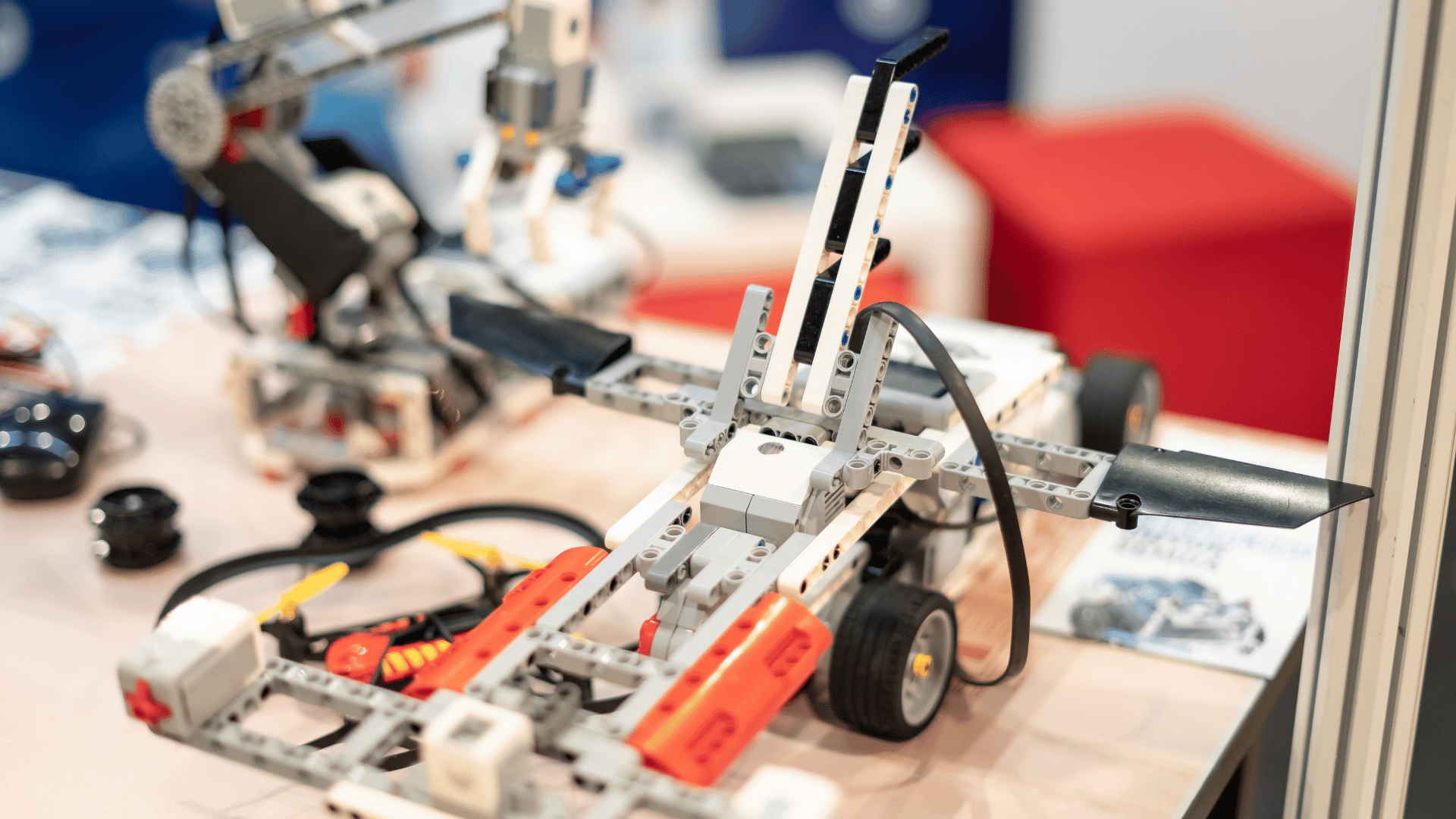
Python for ML opens doors to machine learning models in competitions like RoboCup Singapore. Students can code predictive pathfinding algorithms to boost efficiency and accuracy. Practicing with Python hones coding skills essential for advanced STEM education.
Explore advanced sensors through workshops and virtual practice sessions. Calibrate them for sensor calibration tasks in mock competitions. Keeping pace with these trends fosters problem-solving skills and iterative design for future events.
Stay Calm and Have Fun During the Competition
Keep cool on competition day with presentation tips to Chief Judge wow them, enjoying the friendly competition vibe. Focus on clear delivery of your robot design and team collaboration story. This keeps nerves in check while highlighting your STEM skills.
Prepare presentation content around your robot programming journey, challenges overcome, and how problem-solving skills shaped your robotic creations. Use visuals like photos of your Lego EV3 or Spike Prime builds to engage judges. Practice speaking confidently to avoid disqualification risk from unclear explanations.
During Chief Judge Q&A, listen carefully and answer with specifics on sensor calibration or iterative design processes. Stay calm under pressure by tying responses back to competition rules and your coding abilities. This shows critical thinking and readiness for national robotics competition standards.
Embrace teamwork under pressure with defined team roles for quick adjustments on the competition field. Incorporate fun elements like ice-breaker games before runs to boost morale. Remember, robotics competitions build leadership skills through friendly competition, so celebrate small wins together.
Frequently Asked Questions
Got questions on National Robotics Competition prep? We've got answers on timing, benefits, and how competition training builds your DSA portfolio for talent programmes.
Key prep strategies include starting with age-appropriate kits like SPIKE Essential or LEGO EV3 to master STEM skills. Portfolio content tips focus on documenting robot design, iterative design processes, and team collaboration evidence for Direct School Admission (DSA).
Competition training ties back to broader STEM education, enhancing computational thinking, problem-solving skills, and leadership skills through mock competitions and workshops training.
Whether exploring robot programming or mechanical design, early steps in Singapore robotics build confidence for robotics competitions like RoboCup Singapore.
What Age Should Students Start Preparing?
Kids as young as primary school can start with SPIKE Essential, KUBO, or WeDo 2.0 in Singapore robotics for solid STEM education foundations.
These tools introduce STEM concepts through hands-on building and simple coding abilities, fostering critical thinking from an early age. Primary students practice robot creations that match competition field basics without overwhelming complexity.
By secondary school, transition to SPIKE Prime or EV3 for advanced sensor calibration and robot programming. This progression aligns with Ministry of Education guidelines, preparing for national robotics competition rules.
Early starts build problem-solving skills via team roles in friendly competition, setting a strong base for talent programmes and DSA portfolio entries.
How Long Before the Competition Should You Begin?
Aim to begin preparing robotics 6-12 months ahead with competition training and Pri-Sec Competitions for best results.
Start with internal contests to test competition missions and strategy testing on a practice field. Incorporate virtual practise for efficiency accuracy, then shift to physical practise for real-world sensor challenges.
Three to six months out, focus on iterative design and backup plans for issues like corrupted files or missing hardware. Workshops training refine presentation content to impress the Chief Judge.
Last months emphasize team work, emergency preparation, and regulations review to avoid disqualification risk. This timeline ensures polished robotic creations ready for the main event.
What Are the Benefits of Early Preparation?
Early prep sharpens critical thinking, computational thinking, leadership skills, and strengthens your DSA chances.
Students gain problem-solving skills through tackling competition missions, boosting confidence in mechanical design and project management. Team collaboration grows via ice-breaker games and bootcamps, mirroring real robotics trends.
- Develops teamwork by assigning clear team roles and practicing communication at Science Centre Singapore.
- Enhances presentation tips to wow judges with portfolio content on robot design evolution.
- Builds resilience with strategy testing against AI technologies and advanced sensors.
Overall, it creates a standout DSA portfolio highlighting STEM skills for Singapore's talent programmes, endorsed by the Ministry of Education, plus lifelong perks like coding skills applicable beyond robotics competitions.
How Can Coding Classes Help?
Coding classes at Thaka on MacPherson Rd, Potong Pasir, supercharge coding skills for NRC success.
These sessions cover Python, C++, and robot programming essentials, directly linking to LEGO Spike, SPIKE Prime, EV3, and LEGO EV3 challenges. Students learn building coding techniques for machine learning basics and competition rules compliance.
Classes include mock competitions with robotics tools like SPIKE Essential, WeDo 2.0, focusing on efficiency accuracy in sensor calibration and team mates coordination. Practical projects mimic national robotics competition tasks, like navigating obstacle courses.
Integrate with overall prep by adding portfolio content on coding abilities, AI, Artificial Intelligence, Machine Learning, and problem solve examples. This targeted training elevates performance in Singapore robotics events.
Frequently Asked Questions
When Should Students Start Preparing for National Robotics Competition?
Students should ideally start preparing for the National Robotics Competition 6-12 months in advance to build skills in robotics design, coding, and teamwork. Enrolling in Hani's Computing & Robotics coding classes or Arduino programming in Singapore early allows kids to master concepts like programming Arduino or LEGO Education robots progressively.
What Is the Ideal Age for Students to Begin Preparing for National Robotics Competition?
The ideal age is 8-12 years old, as this aligns with primary school levels in Singapore where competitions like the National Robotics Competition begin. Thaka coding classes for kids provide age-appropriate courses like KUBO, Quarky, Pictoblox to start building foundational skills early.
How Early Should Primary School Students Start Preparing for National Robotics Competition?
Primary school students, especially in P3-P6, should start preparing at the beginning of the school year or earlier. Science Centre Singapore or Thaka in Singapore offers structured coding classes that prepare kids step-by-step for National Robotics Competition challenges.
Why Start Preparing for National Robotics Competition So Early?
Starting early for the National Robotics Competition gives students time to practice iterations, troubleshoot coding errors, and refine robot builds. Singapore's CRCC, RoboCup Singapore, FIRST Robotics, IEEE or Thaka coding classes emphasize hands-on projects that mirror Pri-Sec Competitions, Junior Robotics Tournament requirements, boosting confidence and success rates.
What Resources Help When Students Should Start Preparing for National Robotics Competition?
When students should start preparing for National Robotics Competition, leverage resources like Thaka coding classes in Singapore, which include kits for VEX or FIRST Robotics LEGO League, STEAM Engine, Upper Primary AI Maker Series. These courses start from basics to advanced competition-level training.
Can Late Starters Succeed in National Robotics Competition, and When Should They Begin Prep?
Late starters can succeed if they begin intensive prep 3-6 months prior, but earlier is better. Chief Judge recommended Thaka offers accelerated coding classes for kids in Singapore to catch up quickly for the National Robotics Competition.