
How Coding Class Builds Logical Thinking Skills in Young Learners
Discover how coding classes Singapore at Meta Robotics in Singapore enhance Logical Thinking in children. These classes teach kids to break down complex problems into manageable steps while nurturing creativity, resilience, and teamwork. Through engaging sessions, they develop vital skills such as problem-solving and critical thinking. Supported by research from MIT and Code.org—as well as a ScienceDirect study on computational thinking in early childhood education—we'll explore the coding benefits, available class formats for ages 5 and up, tips for parents, and the reasons why early exposure to learning to code prepares children for long-term success in STEM education. Please dive in to explore 21st century skills.
Key Takeaways:
- Coding classes teach kids to break complex problems into simple, manageable steps, fostering Computational Thinking and logical reasoning from an early age.
- Through debugging and trial-and-error, young learners build resilience, learning from mistakes to refine logical processes and strengthen critical thinking.
- Coding boosts creativity alongside logic, enhancing focus, perseverance, and confidence while preparing kids for future academic and career success.
Develops Problem-Solving, Computational Thinking, and Critical Thinking Skills
Coding classes Singapore sharpen Problem-Solving skills and critical thinking through engaging coding challenges that teach kids to recognize patterns and optimize algorithms.
Young learners build computational thinking by breaking down complex problems into step-by-step reasoning. Platforms like Scratch encourage algorithmic thinking as kids sequence commands to make characters move or interact. This process fosters logical reasoning essential for everyday decisions.
In interactive projects, children practice debugging skills by fixing syntax errors and testing solutions. Tynker's game development modules teach pattern recognition through puzzles that require algorithm optimization. These hands-on activities promote perseverance and a growth mindset.
Experts from MIT highlight how such coding for kids prepares for the future job market, as noted in McKinsey reports on digital skills. ScienceDirect publications link block-based coding to improved structured thinking. Kids gain resilience through trial and error in fun learning experiences.
Enhances Logical Reasoning and Logical Thinking Skills
Through hands-on coding, kids in kids Singapore coding classes enhance logical thinking by tackling syntax errors and building structured thinking step by step.
In coding workshops for children at places like Hwa Chong, young learners use tools such as Scratch to fix bugs in simple game development. This process sharpens debugging skills as they identify and correct mistakes, fostering perseverance through trial and error.
Children practice pattern recognition by repeating code blocks to create animations or stories. These activities build computational thinking, helping kids break down problems into manageable parts during coding challenges.
Experts recommend such interactive projects because they teach step-by-step reasoning. For instance, optimizing a loop in Python mimics real-world problem-solving skills, preparing young discoverers for STEM education.
Breaking Down Complex Problems into Manageable Steps
Kids learn to break down complex problems into manageable steps in coding classes for kids, mastering algorithmic thinking while design games with visual programming tools. This approach builds structured thinking as young learners tackle coding challenges step by step. It fosters logical reasoning essential for problem solving.
In CodeCombat, students at schools like SJI and Dunman High guide heroes through levels by sequencing commands. They divide quests into small tasks, such as moving, attacking, or collecting items, which teaches pattern recognition and step by step reasoning. This hands-on coding mirrors real-world problem-solving skills.
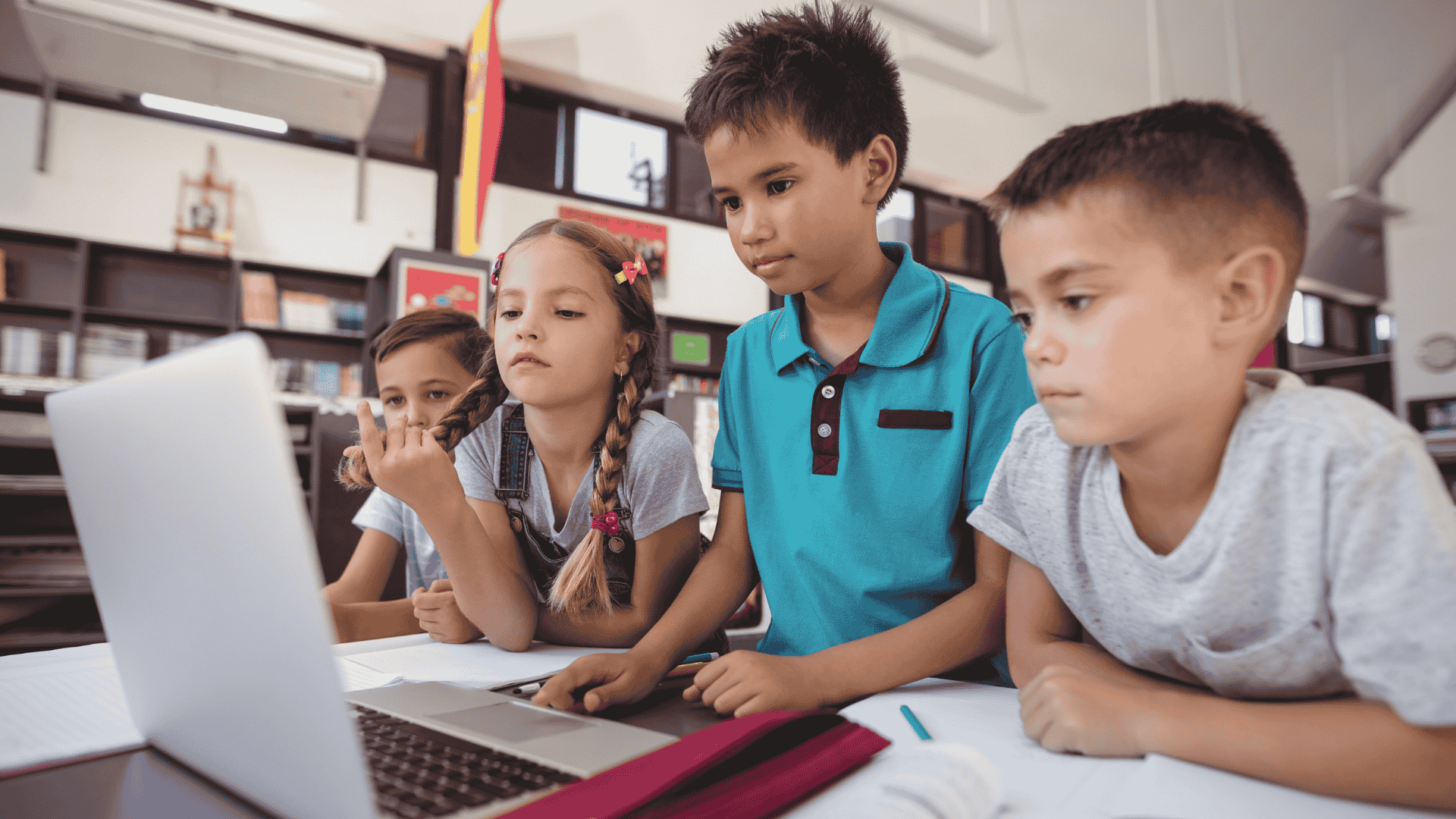
Robot Turtles introduces block based coding for younger kids in kids coding classes. Children command turtles to reach gems by planning paths with cards, practicing patience persistence during their coding journey. It strengthens computational thinking through fun, interactive projects.
These tools promote a growth mindset and resilience perseverance as kids debug errors and optimize algorithms. Schools using coding workshops for kids see gains in critical thinking skills and attention to detail. Game development turns learning to code into a fun learning experience.
Learning from Mistakes to Strengthen Logical Processes
Debugging skills in kids coding turn mistakes into powerful lessons, strengthening logical processes and building a growth mindset with every code fix. Young learners quickly see that errors are not failures but chances to think step by step. This hands-on approach fosters perseverance and patience in coding classes for kids.
Take Sarah, a young discoverers in a CodeLab session with the Kebbi ai social robot. Her first command made Kebbi spin in circles due to a syntax error. By tracing the code line by line, she fixed it, boosting her self efficacy and love for problem solving.
In coding workshops kids, kids tackle interactive projects like game development on Scratch. When a character's jump fails, they learn pattern recognition to spot the bug. This builds creative confidence, turning frustration into fun learning experiences.
Experts recommend encouraging kids to explain their fixes aloud during pair programming. This sharpens communication skills and reinforces logical reasoning. Over time, these moments in kids coding classes cultivate resilience and a lifelong passion for computational thinking.
Fosters Creativity and Innovation Alongside Logic
Coding sparks creativity innovation in young discoverers, blending logic with storytelling coding and game development using Scratch for imaginative code for fun. Children design characters and plots while learning computational thinking. This approach builds 21st century skills essential for the future job market.
Interactive projects in coding schools encourage kids to experiment with visual programming tools like Scratch. Young learners create animations or stories, fostering creative confidence as noted by Mitchel Resnick from the MIT Media Lab. These activities tie into the math syllabus by promoting algebraic thinking through patterns and sequences.
Hands-on learn coding with LEGO Mindstorms lets children build robots that respond to commands, combining robotics kids with logical reasoning. They debug errors and optimize algorithms, developing problem-solving skills. This mirrors the scientific method, enhancing scientific thinking.
Experts like Mitchel Resnick emphasize how such tools nurture a growth mindset and perseverance. Kids gain resilience perseverance from coding challenges, preparing them for digital transformation. Coding kids classes for kids in Singapore align with the Smart Nation smart nation vision and MOE moe syllabus for digital literacy.
Builds Resilience, Perseverance, and Emotional Resilience
Facing tough coding challenges builds resilience perseverance and patience persistence in kids, turning setbacks into triumphs in their coding journey. When young learners encounter bugs or failed tests, they learn to push through frustration. This process fosters a growth mindset essential for lifelong success.
In coding schools, children tackle syntax errors and algorithm optimization puzzles during hands-on coding sessions. One anecdote from a Singapore coding workshop describes a group of kids debugging a Scratch game for hours. Their persistence paid off when the project ran smoothly, boosting their emotional resilience.
Participants in events like the Informatics Olympiad face intense pressure yet develop perseverance. Teachers note how students return stronger after initial failures, applying step-by-step reasoning to refine solutions. This mirrors real-world problem-solving skills seen in STEM education.
Coding classes for kids integrate collaborative coding to build teamwork skills alongside resilience perseverance. For instance, pair programming in Tynker projects teaches kids to support each other through challenges. Such experiences enhance self-efficacy and prepare them for the demands of the future job market.
Boosts Attention to Detail, Focus, and Concentration
Coding demands attention to detail, boosting focus and concentration as kids hunt syntax errors and refine logic improvements. In block based coding like Scratch, young learners stack colorful blocks to build programs. A misplaced block can crash a game, teaching them to scan code line by line.
This process mirrors the scientific method, where kids test hypotheses by running their code. For example, in designing a simple cat sprite that jumps on command, they debug why it falls instead. Programs from The Young Maker emphasize this, sharpening algebraic thinking through precise variable matching.
Focus builds as children iterate on coding challenges, like optimizing a maze game path. NUS-inspired workshops use visual tools to spot patterns, fostering pattern recognition. Over time, this cultivates perseverance and structured thinking in daily tasks.
Hands-on projects reward patience, turning frustration into triumphs. Kids learn to concentrate amid distractions, much like solving puzzles. These coding classes for kids in Singapore prepare them for STEM education demands.
Encourages Collaboration, Teamwork, and Communication Skills
Collaborative coding and pair programming in workshops encourage teamwork skills and communication skills, especially during exciting hackathons for kids. Young learners share ideas to solve coding challenges together. This builds trust and mutual respect in group settings.
Programs like the Code for Fun Enrichment Programme and L100 Young Discoverers emphasize group projects in coding education kids. Children divide tasks, such as designing characters in Scratch games or optimizing algorithms. They explain their code to peers, sharpening digital literacy and clear expression.
The 4 Cs , critical thinking, creativity, collaboration, and communication, come alive in these activities. Kids negotiate roles during game development or storytelling coding projects. This fosters a growth mindset through shared successes and debugging sessions.
- Discuss solutions aloud to practice articulation.
- Rotate leadership in teams for fair participation.
- Review each other's code for attention to detail.
Through hands-on coding, young learners gain 21st century skills essential for the future job market. These experiences turn coding into a fun learning experience that strengthens bonds and resilience.
Builds Confidence, Independence, and a Growth Mindset
Completing personal coding projects builds confidence and independence, nurturing a growth mindset throughout every kid's coding education kids journey. Young discoverers gain a sense of accomplishment when they see their code come to life. This hands-on experience teaches them to trust their own problem-solving skills.
In coding classes for kids, children tackle interactive projects like designing simple games in Scratch. They learn to debug errors on their own, fostering perseverance and patience. One young learner created a maze game, overcoming syntax errors through trial and error, which boosted her self-efficacy.
Icons like Steve Jobs started as curious tinkerers, building early computers that sparked Apple's innovation. Kids in coding workshops mirror this by exploring visual programming tools, turning ideas into reality. This mirrors the coding benefits of resilience, preparing them for future challenges.
Through coding challenges and pair programming, young learners develop independence while collaborating. They celebrate small wins, like optimizing an algorithm, which reinforces a growth mindset. Experts recommend such fun learning experiences to cultivate creative confidence in young discoverers.
Provides a Fun and Engaging Learning Experience
Coding classes deliver a fun learning experience with code for fun activities, AI for fun, and interactive projects involving robotics kids. Young learners dive into block-based coding on platforms like Scratch, where they snap together colorful blocks to create animations. This approach turns abstract concepts into playful adventures.
Visual programming tools make coding accessible and exciting for kids. Children design games or simple stories without typing complex code, fostering creativity innovation from the start. Tools like Tynker or LEGO Mindstorms add hands-on elements that keep engagement high.
Interactive projects, such as building AI social robots like Kebbi or robotics challenges, blend fun with skill-building. Kids experiment with online coding skills through guided missions, developing problem-solving skills naturally. These activities encourage a growth mindset by celebrating small wins.
Entities like Lyza Education offer coding classes for kids with game development and coding challenges. Students practice debugging skills in a supportive environment, turning frustration into triumph. This fun setup builds perseverance and a love for learning to code.
Prepares Young Learners for Future Academic and Job Success
These skills prepare young learners for the future job market amid digital transformation, equipping them with 21st century skills via STEM education in Singapore. Coding classes build logical thinking that aligns with demands from reports like those from McKinsey on automation's rise. Young learners gain an edge in a world where tech drives industries.
Math improvements emerge as kids apply algebraic thinking and step-by-step reasoning in coding challenges. For example, using Scratch for game development teaches pattern recognition much like solving equations. This strengthens ties to the math syllabus and boosts performance in school.
Scientific thinking develops through debugging skills and testing hypotheses in interactive projects. Children learn the scientific method by iterating code, similar to experiments in class. Such practices foster problem-solving skills essential for the Smart Nation vision in Singapore.
Coding education prepares kids for jobs in artificial intelligence and robotics kids programs. Hands-on tools like Lego Mindstorms or Tynker build computational thinking. This foundation supports long-term success in coding classes Singapore and beyond.
What Are the Different Types of Coding Classes for Young Learners?
Young learners can explore various coding classes for kids, from Scratch and Tynker block-based to advanced Python and LEGO Mindstorms robotics in coding workshops kids.
Visual programming tools like Scratch introduce block based coding. Kids drag and drop colorful blocks to create stories or animations. This builds logical thinking without syntax worries.
Game development classes let children design games using Tynker or CodeLab. They learn problem-solving skills by coding characters and levels. Programs like Robot Turtles teach algorithmic thinking through board games turned digital.
- Block-based options for beginners focus on pattern recognition.
- Robotics with LEGO Mindstorms adds hands-on STEM education.
- Advanced tracks cover Python for game development and coding challenges.
These classes foster computational thinking and creativity innovation. Kids gain debugging skills while enjoying interactive projects.
How Can Parents Choose the Right Coding Class?
Parents can choose the right coding schools by checking alignment with MOE syllabus and focus on growth mindset in kids coding classes.
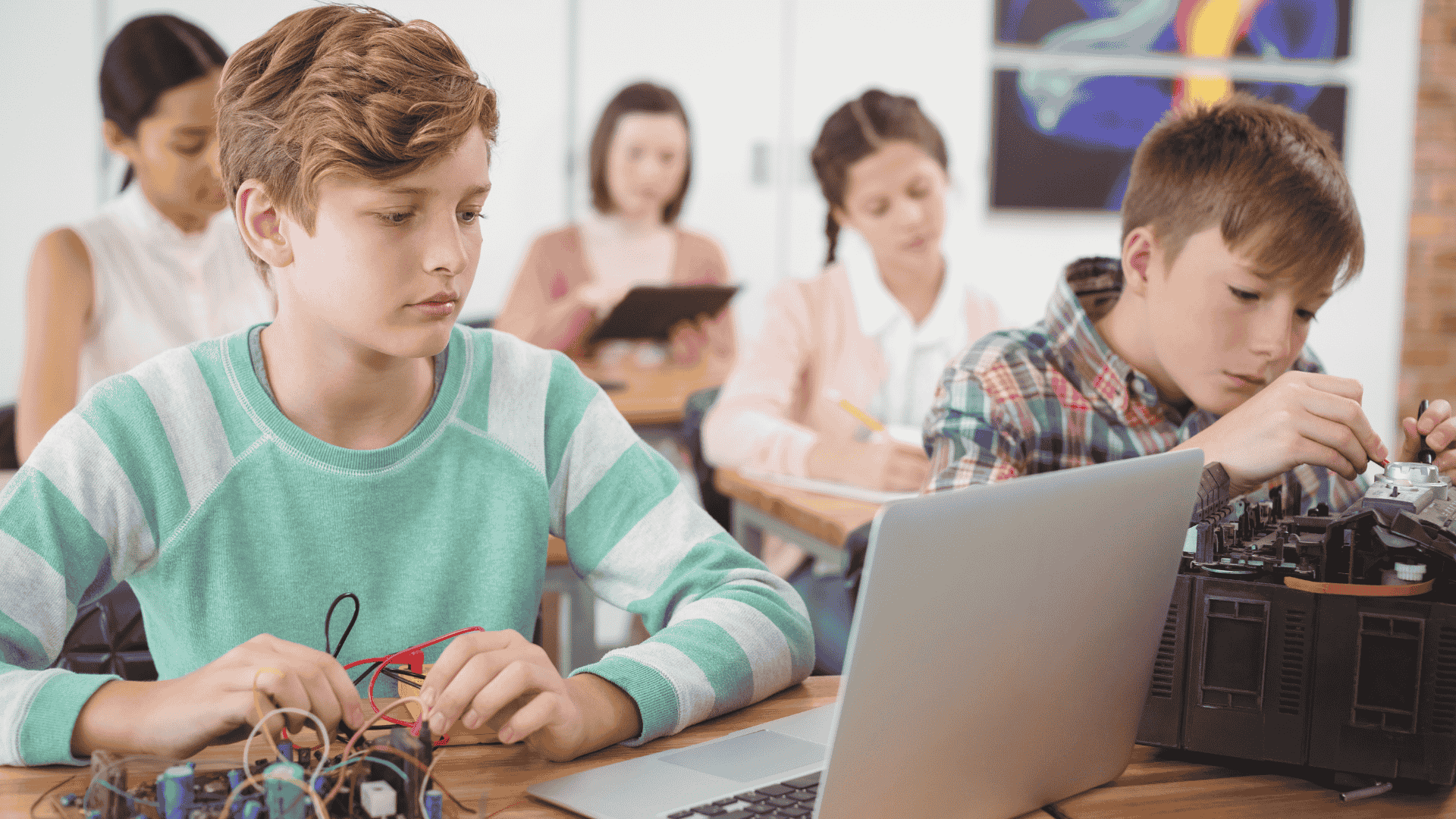
Look for programs emphasizing structured thinking and hands-on coding. Entities like Lyza Education and National University of Singapore offer curricula tied to Smart Nation vision. Ensure classes build critical thinking skills through real projects.
- Review teaching methods for fun learning experience.
- Check instructor qualifications in coding education kids.
- Assess class size for collaborative coding and teamwork skills.
Prioritize options promoting resilience perseverance via coding challenges. This supports logical reasoning and prepares for future job market.
What Age Groups Are Suitable for Coding Classes?
Coding classes suit young learners from ages 5 upwards, with programs like L100 Young Discoverers tailored for early coding for kids.
For ages 5-7, visual programming tools create a fun learning experience. Kids at Hwa Chong or SJI start with simple block coding. This sparks interest in coding and pattern recognition.
Ages 8-12 handle game development and robotics kids. Teens explore Python and AI for fun. Programs adjust for step by step reasoning at each stage.
- Early years focus on Code for Fun and basics.
- Middle groups build problem solving with projects.
- Older kids tackle algorithm optimization and hackathons.
Do Kids Need Prior Coding Experience?
No prior coding experience is needed; block based coding welcomes absolute beginners to jump right in.
Classes at The Young Maker use visual programming tools for novices. Kids learn logical thinking through play, like moving a character in Scratch. This builds confidence without frustration.
Instructors guide through debugging skills and perseverance. Beginners quickly grasp computational thinking via interactive projects. Programs ensure everyone advances at their pace.
Focus on learn coding fosters self efficacy and creative confidence. No experience means all kids enjoy the coding journey together.
Frequently Asked Questions
Here are answers to common questions about coding classes Singapore and how they boost Logical Thinking in kids coding.
These FAQs draw from key concepts like Problem-Solving skills and Computational Thinking discussed earlier. They address how classes align with Singapore's Smart Nation vision for digital literacy. Parents often ask about hands-on coding for young discoverers.
Expect insights on pattern recognition, debugging skills, and growth mindset. Coding workshops for children build resilience perseverance through fun learning experiences. This section clarifies benefits for kids Singapore.
From block based coding to collaborative coding, answers highlight practical steps. They connect to STEM education and future job market readiness. Dive into these to understand coding education kids.
How do coding classes build logical thinking in kids?
Coding classes build Logical Thinking in kids through Computational Thinking and critical thinking skills via hands-on challenges in Singapore.
Kids practice pattern recognition by spotting sequences in code, much like MIT Media Lab and Mitchel Resnick's approaches to algorithmic thinking. They tackle coding challenges that require step by step reasoning, such as designing simple games in Scratch. This sharpens logical reasoning and attention to detail.
Debugging skills teach patience persistence when fixing syntax errors. Hands-on coding fosters structured thinking, breaking problems into smaller parts. Examples include algorithm optimization in visual programming tools.
Overall, these classes enhance problem solving and scientific thinking. Children gain self efficacy through trial and error, aligning with coding for kids benefits. Research suggests such methods boost math improvements and algebraic thinking.
What are the best coding classes for young learners?
The best coding classes for young learners in Singapore feature Scratch, Tynker, and top coding schools like Lyza Education's L100 Young Discoverers promoting Meta Robotics.
Look for programs with interactive projects such as game development and storytelling coding. LEGO Mindstorms and LEGO integrate robotics kids with block based coding for fun. These build the 4 Cs through pair programming and hackathons.
Choose classes offering CodeLab coding workshops kids focused on AI-for-Fun and ai social robot basics with Kebbi. Visual tools like Tynker support online coding skills without heavy syntax. They emphasize Code for Fun and creative confidence.
Top options include those with collaborative coding and perseverance building. Parents value LEGO style hands-on coding for attention to detail. These prepare young learners for digital transformation and 21st century skills.
Why start coding classes at a young age?
Starting coding classes at a young age unlocks coding benefits early, priming kids for STEM education and the future job market.
Early exposure builds a growth mindset through learning to code via design games and coding journey. It aligns with MOE and Ministry of Education syllabus on math syllabus and scientific method. Kids develop communication skills and creativity innovation naturally.
Logical Thinking grows with practice in perseverance and resilience perseverance. Young discoverers gain digital literacy fitting Smart Nation vision and MOE syllabus. Examples include block coding leading to logic improvements.
Long-term gains include readiness for artificial intelligence and robotics kids. Experts and studies from ScienceDirect and McKinsey recommend early start for self efficacy and creative confidence. This sets a foundation in kids coding classes for lifelong fun learning experience.
Programs incorporating Computational Thinking, CodeCombat, Robot Turtles, Python, IMDA, Hwa Chong, SJI, Dunman High, TIMSS, Informatics Olympiad, ChatGPT, GitHub Copilot, Steve Jobs, and Apple enrich the learning.
Frequently Asked Questions
How does a coding class build Logical Thinking skills in young learners?
Coding classes, like those offered in Meta Robotics' Code for Fun Enrichment Programme for kids in Singapore, build logical thinking by requiring young learners to break down problems into smaller, manageable steps. Through hands-on coding exercises, children learn to sequence instructions logically, fostering a structured mindset essential for Problem-Solving.
What role does coding play in developing logical reasoning in children?
In Meta Robotics' coding classes in Singapore, logical reasoning develops as kids debug code, predict outcomes, and test hypotheses using approaches inspired by MIT. This mirrors real-world logical processes, helping young learners understand cause-and-effect relationships and refine their decision-making skills.
Why is Logical Thinking important for young learners in coding classes?
Logical Thinking is crucial in coding classes such as Meta Robotics' offerings for kids in Singapore because it enables children to construct algorithms, anticipate errors, and iterate solutions. This skill set not only enhances coding proficiency but also boosts confidence in tackling complex challenges across subjects.
How do coding classes at Meta Robotics enhance Logical Thinking skills?
Meta Robotics' coding classes in Singapore enhance Logical Thinking through interactive The Young Maker robotics projects where young learners design sequences, use conditionals (if-then statements), and loops. These activities train the brain to think systematically, improving pattern recognition and analytical abilities.
Can coding classes help young learners improve Problem-Solving via Logical Thinking?
Yes, coding classes like those from Meta Robotics in Singapore directly improve Problem-Solving by emphasizing Logical Thinking. Kids learn to decompose problems, explore multiple solutions, and evaluate efficiency, building a foundational skill for academic and future career success.
What age group benefits most from coding classes building Logical Thinking skills?
Young learners from ages 5-12 benefit immensely from coding classes such as Meta Robotics' in Singapore, as their developing brains are highly receptive to logical structures. Early exposure builds Logical Thinking skills progressively, preparing them for advanced STEM concepts from NUS and National University of Singapore.